
Acid mine drainage assessment, mining waste management and site characterisation.
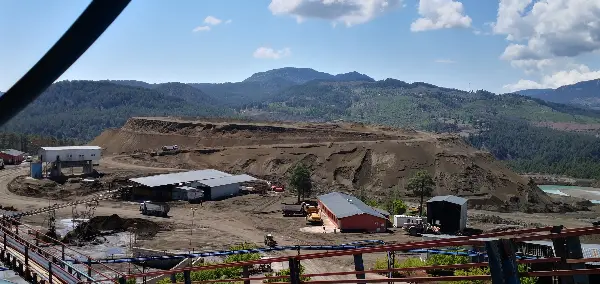
In the mining sector, chemicals and water are used intensively from the start of operations through to the final stage. The environmental problems that can arise from mining activity are generally listed as waste rock heaps, the formation of pits, various chemicals, all kinds of solid and liquid waste released, and gas and dust emissions.
During and after the production of metallic or non-metallic ores, large quantities of operating residue, or mining waste for short, are produced. Because metallic mining operations involve very low grades, large quantities of waste rock are generated.
When insufficient recovery is achieved during mineral processing, heavy metal concentrations in the resulting waste run high, particularly in metallic mining. Releasing this waste into nature without control causes heavy metal pollution.
In addition, in operations on ores with a fibrous structure (asbestos and similar), material can pass into the air during blasting, crushing and grinding, and into water and soil during processing. This matters greatly for the environment and for human health.
Mining activity in sulphide-bearing rock releases sulphide, which on contact with oxygen and water forms sulphuric acid. The release of the resulting acid into nature through drainage is called acid mine drainage. Acidic water drainage is a significant pollutant for the streams around large metallic mining and coal operations.
In Türkiye, the laws and regulations governing the mining sector matter greatly both for protecting the environment and for the future of mining. Within this framework, the Mining Waste Regulation was published with the aim of managing waste arising from the exploration, extraction, preparation, processing or storage of minerals, from production through to final disposal, in a way that does not harm the environment or human health.
Acid Mine Drainage Assessment Process Stages
Mine and Site Characterisation
Mineralogical and Petrographic Analyses
Field Studies
Static Tests
Kinetic (Dynamic) Tests
Mathematical Modelling Studies
Evaluation Studies
Determination of Measures and Treatment